LSMAD
Life Safety Machine Analysis Detection
Method-driven operational ecosystem
Part 1.
If you are around 40 today, and if you can, ask your parents: who did not dream of having a Pioneer CDX-1 player in their first car? It did not matter what kind of car it was or how old it was. The effect was like having a new Porsche. And the sound, Karl! It was pure magic.
In the middle of the 1980s, the technical future looked exactly like this. For that time, these were not small everyday things, but expensive and almost unbelievable signs of a new electronic era.
Back then, the very possibility of listening to a compact disc in a car or holding a small TV screen in your hands felt like a promise of the future.
Today music comes through streaming, and the screen has long since moved into the pocket and surprises nobody anymore. But this is exactly how the future works: first a technology seems like a miracle, then it becomes ordinary.
The whole world was living in anticipation of that future.
Music: Pink Floyd — Shine On You Crazy Diamond
Only 21 days were left before the disaster...
...
Part 2.
In the spring of 1986, the future had already knocked loudly and confidently on the door of everyday life:
IBM PC Convertible. A portable computer. A monochrome LCD screen. 256 KB of RAM. 720 KB floppy disks.
There are probably still a few dinosaurs around who remember those days when talking too loudly or even walking near the computer while it was loading a floppy disk was highly undesirable.
While the drive was buzzing for two minutes, it was still unclear whether this miracle of technology would actually load or not. Yes, Karl — even walking near the computer.
And the very idea that computing technology was gradually leaving special rooms and entering the personal space of an individual was already becoming reality.
At that time, it was the beginning of a new era, and its rapid development also felt almost like magic.
Today that line has been continued by smartphones, tablets, flexible screens, the cloud, and the digital environment that now surrounds a person almost continuously.
Technology radically changed the form of life. But it did not remove the price of systemic and human error.
Music: Foreigner — Urgent
Only 14 days were left before the disaster...
...
Part 3.
Home electronics of that era also looked like a world of their own:
Toshiba M-5400, Panasonic PV-T740 — top-level video equipment that often gathered not only the family, but sometimes even the neighbours around the TV. Evening viewing of favourite cartoons like Disney’s Adventures of the Gummi Bears and Chip ’n Dale: Rescue Rangers was still an event, not background noise.
Back then, watching video at home was still something special. Technology lasted a long time, broke down, was repaired, and had to be understood with your hands, your eyes, and your head.
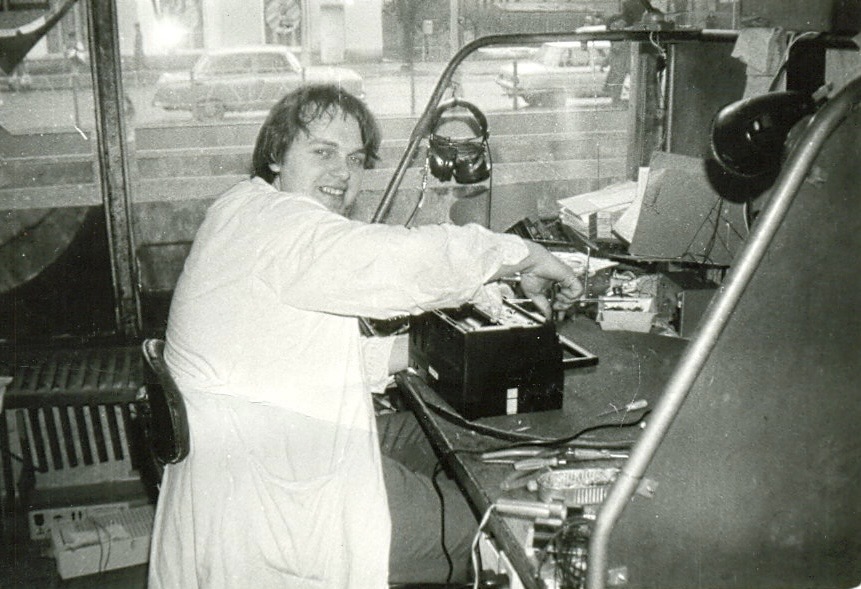
Today, you can drive down the road and calmly have a full conversation with artificial intelligence through a mobile connection. What would have looked like pure science fiction back then has become an ordinary part of life for millions of people.
Technology has gone very far. The question of global safety has not gone away.
Music: Deep Purple — Soldier of Fortune
Only 7 days were left before the disaster...
...
Part 4.
One of the important parts of young people’s lives back then was home gatherings — small parties, evenings with classmates, music, dancing, and the simple joy of being together.
At my place, it often happened in a special way. Whenever friends were coming over, my mother would bake a large tray of apple pie.
Because I had good audio equipment, friends came not only to talk, but also to listen to music and dance.
They were good, bright times. And above all, they were the times of my youth.
Music: Eagles — Hotel California
Only 1 day was left before the disaster...
...
Part 5 - Final.
On 26 April 1986, life changed forever for many people.
Before that, the future seemed bright, fast, and almost magical. Technology was entering homes, music sounded different, screens were coming closer, and life itself seemed to be moving into a new era.
But on that day, it became clear that no technological progress can cancel the price of systemic and human error.
The Chernobyl disaster changed the fate of hundreds of thousands of people. Mine as well.
In the very first weeks after the accident, starting from 27.04.1986, I took part in the cleanup effort at the Chernobyl Nuclear Power Plant.
I was serving in the army. I was 19 years old…
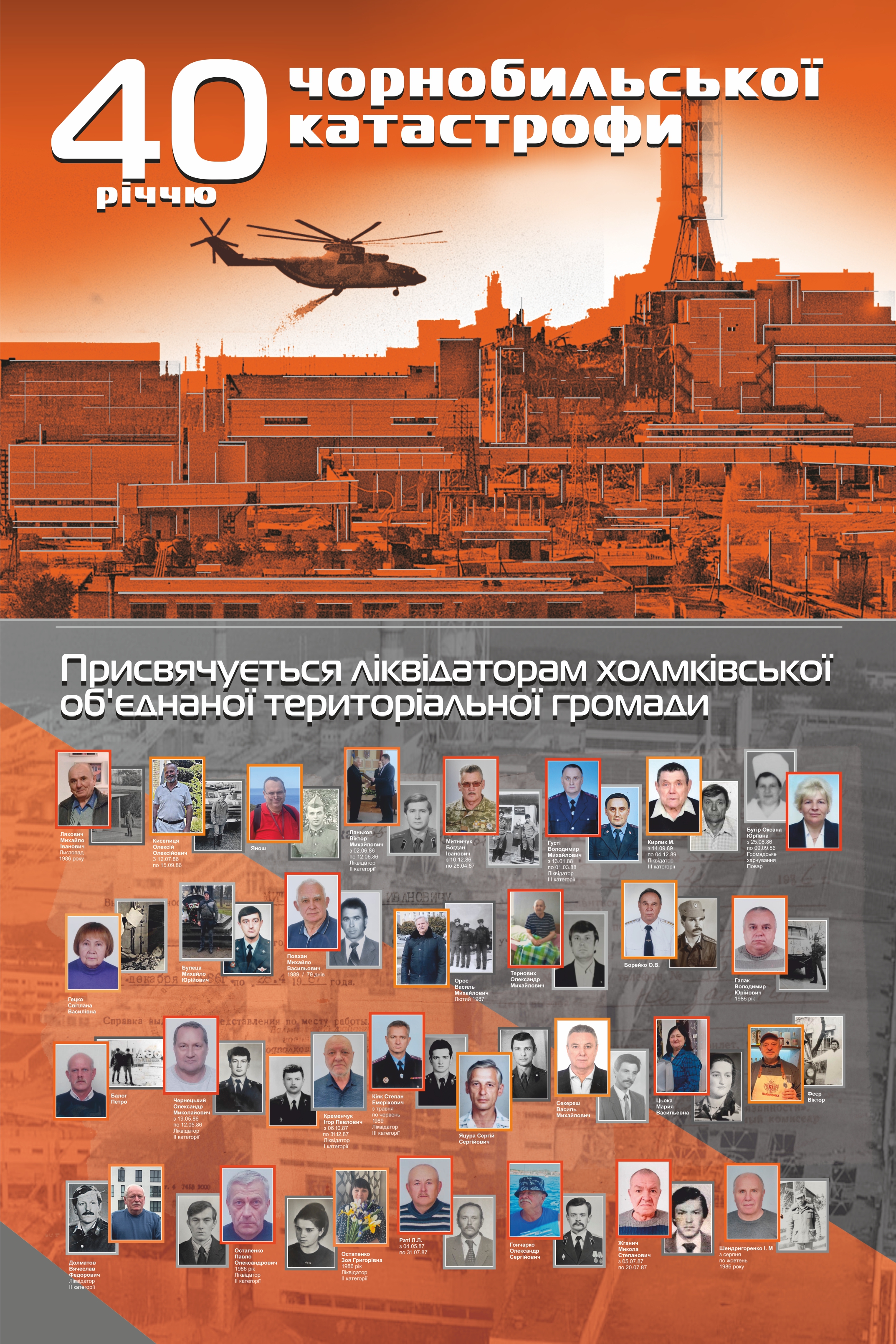
My photograph is also on that billboard — top row, third from the left. These are all the people from our local community who are still alive today.
For some, this is history - for me, it is part of my own life.
Technology has gone far. But for me, global safety will never be an empty phrase.
Music: Pink Floyd — Hey You
...
All rights reserved · Privacy Policy · Terms of Use
England and Wales · LSMAD Ltd · 2026 · 維新
Company No. 17183758 · Ai Note